Lessons from the ASEAN Investor Roundtables on Tourism

Senior Tourism Industry Specialist, Sectors Department 2, Asian Development Bank (ADB)

Tourism Coordination and Stakeholder Engagement Specialist (Consultant), Asian Development Bank (ADB)
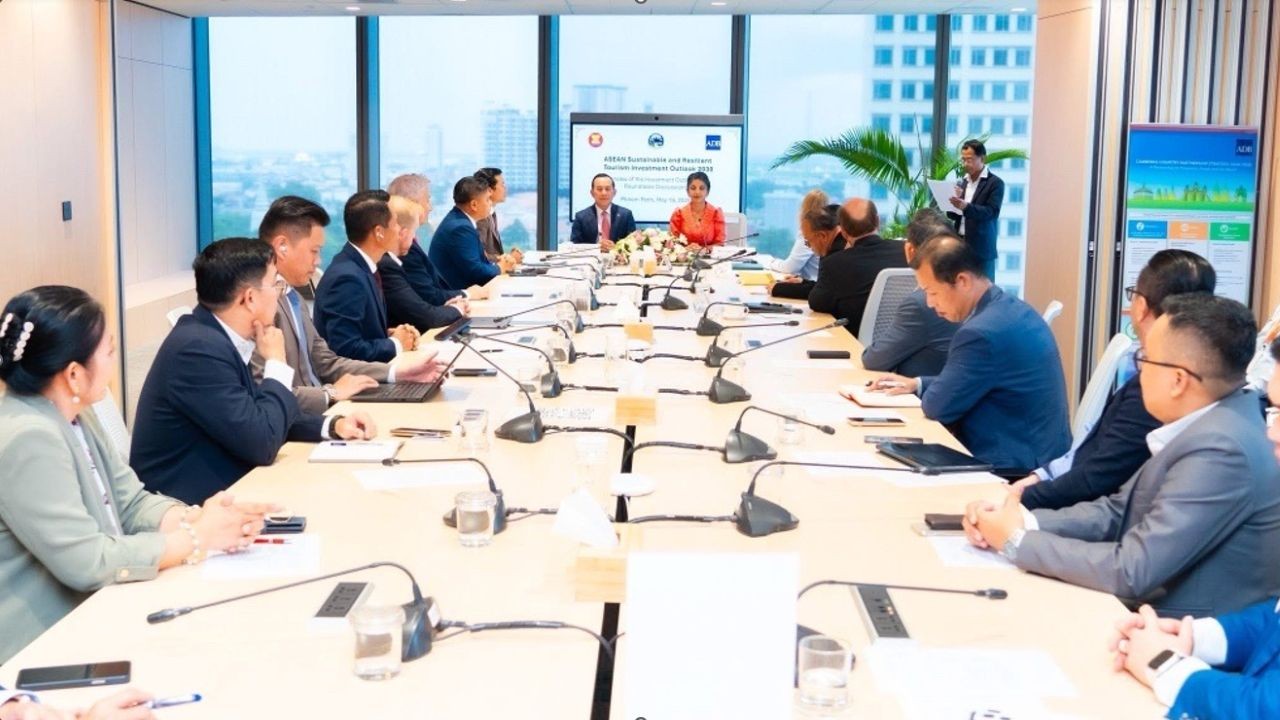
Cambodia Tourism Minister Huot Hak and ADB Country Director for Cambodia Yasmin Siddiqi (center) opened the Cambodia Investor Roundtable on 19 May 2026 at the ADB Cambodia Resident Mission in Phnom Penh.
As consultations for the ASEAN Sustainable and Resilient Tourism Investment Outlook 2030 progress across the region, a clearer picture is emerging of what destinations need to attract sustainable tourism investment.
One of the world’s fastest-rising destinations, Southeast Asia is moving toward more sustainable and resilient tourism models to ensure long-term growth. To build a strong tourism ecosystem, the region needs to match ambition with investment.
ADB is supporting the Philippines as this year’s ASEAN Chair in developing the ASEAN Sustainable and Resilient Tourism Investment Outlook 2030.
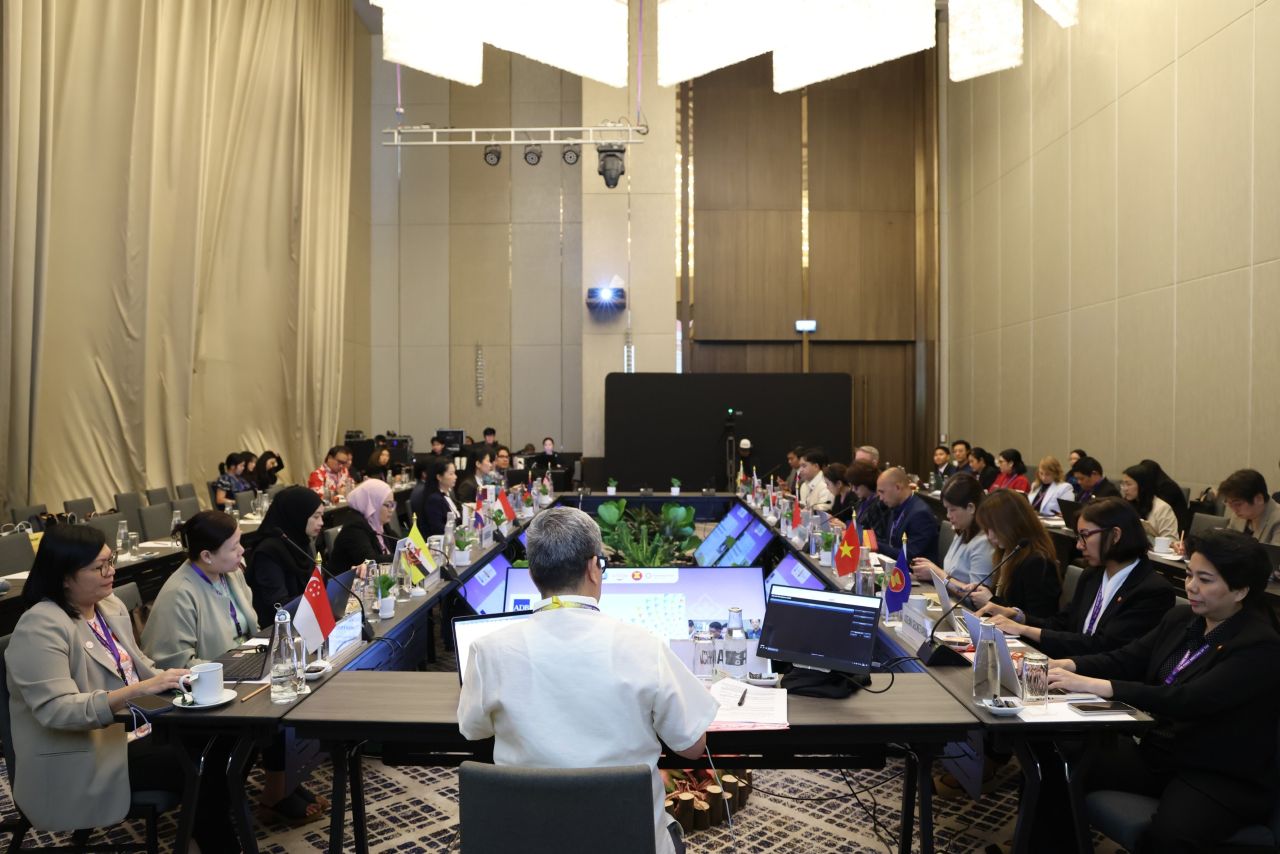
As part of ADB’s support, consultations were conducted across ASEAN from May until August, bringing together tourism authorities, private-sector businesses, financial institutions, industry associations, and other tourism stakeholders. The discussions helped connect national tourism priorities with practical considerations that influence investment decisions. The findings will be used in the tourism investment outlook, a key priority economic deliverable of the Philippines as ASEAN Chair.
An important message emerging from the consultations is that tourism potential is not the same as investment readiness.
Building destination readiness
Investors look beyond the tourism asset itself. Roads and air connectivity, utilities, digital infrastructure, workforce skills, destination management, and the wider business environment all influence whether an investment can succeed.
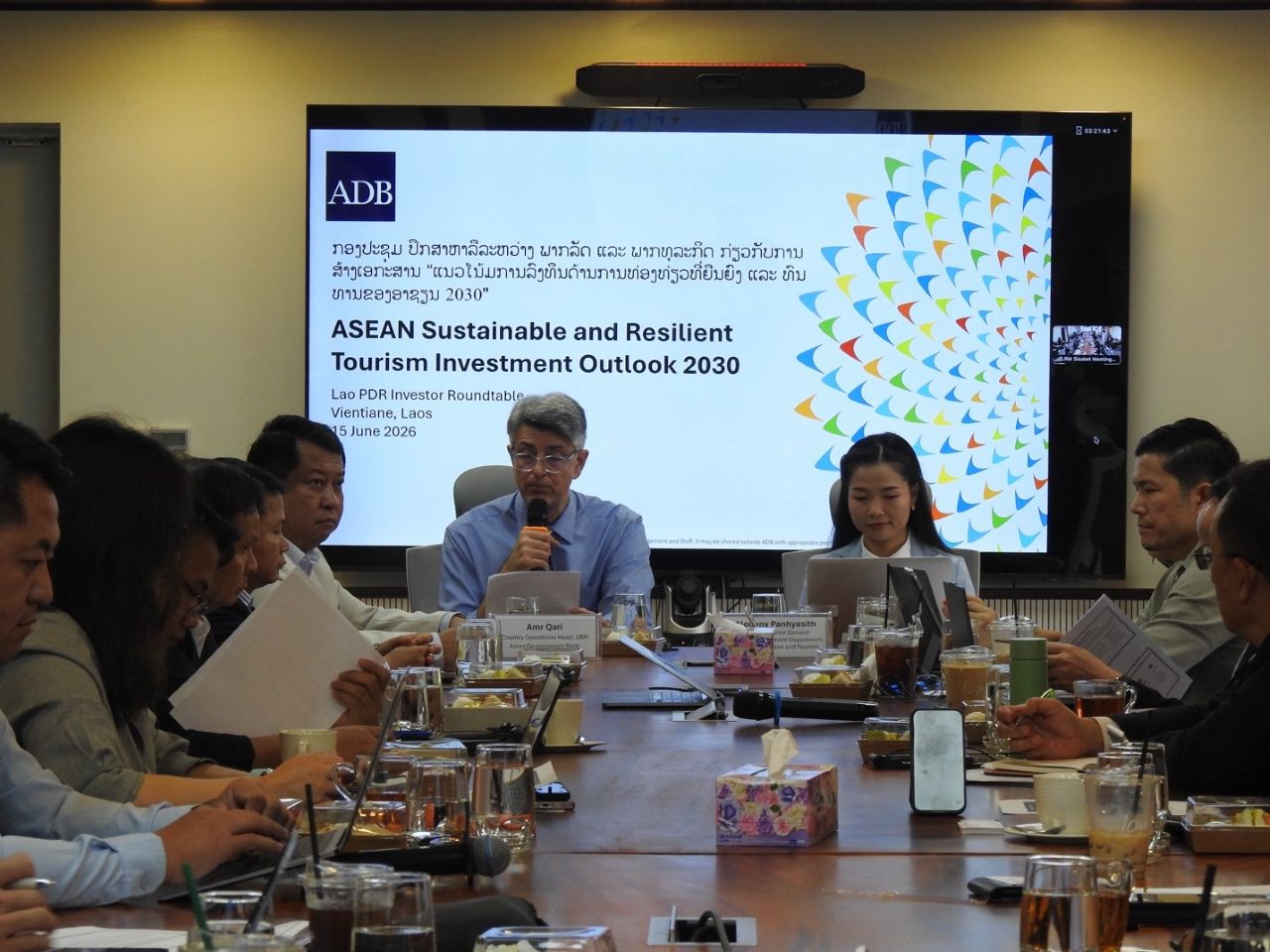
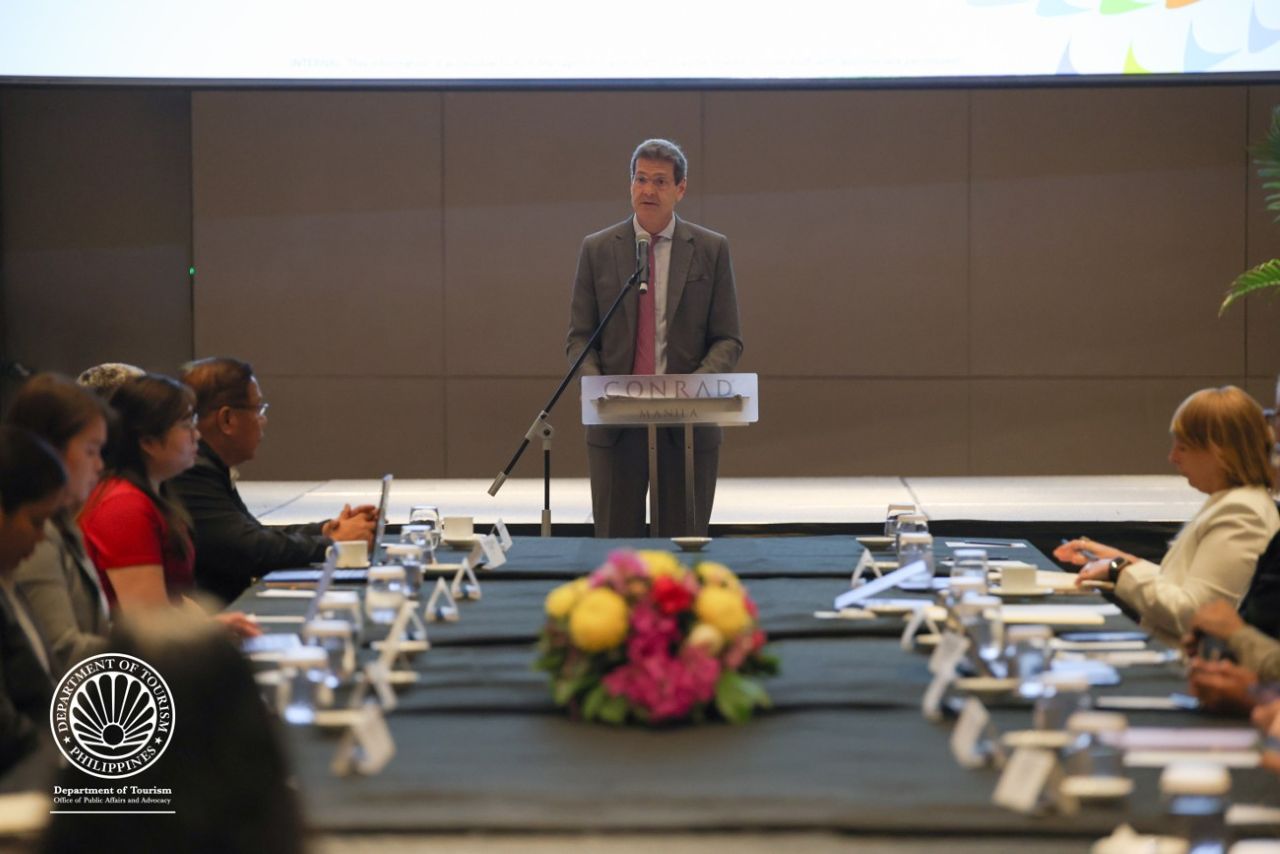
The discussions reinforced the need to consider these enabling conditions alongside individual tourism projects. In the Lao People’s Democratic Republic (Lao PDR), for example, participants highlighted road and air connectivity, while discussions in the Philippines raised last-mile infrastructure, utilities, and coordination between destination and national planning.
Connecting investment with data
Reliable market information is equally important.
Investors and tourism businesses need to understand visitor demand, source markets, spending, length of stay, and the experiences travelers are looking for. This is especially relevant for emerging destinations where natural and cultural assets may be strong, but information on market potential remains limited.
Better data can help governments prioritize investments while giving the private sector greater confidence in new opportunities.
Supporting tourism enterprises
Access to finance also remains a challenge, particularly for micro, small, and medium-sized enterprises.
Many businesses across the tourism value chain are small, seasonal, or family-run and may not meet conventional lending requirements. Discussions pointed to the need for financing approaches that reflect the characteristics of tourism businesses and the different stages of destination development.
At the same time, investment needs to create opportunities for local communities and enterprises. Tourism growth can support local accommodation, food, transport, tour guiding, and other services when communities are effectively connected to the destination value chain.
Coordination across government
Tourism investment also requires action beyond tourism agencies.
Transport, infrastructure, finance, environment, immigration, investment promotion, and local governments all influence destination readiness. Across consultations, stronger coordination consistently emerged as an important part of creating the enabling conditions for private investment.
The experience so far shows that unlocking tourism investment is not simply about identifying projects. It is about connecting market opportunities with infrastructure, finance, skills, community participation, and enabling policy.

Jessie F. McComb
Senior Tourism Industry Specialist, Sectors Department 2, Asian Development Bank (ADB)Jessie recently joined ADB where she is building the ADB tourism portfolio and leading the Sustainable Tourism Community of Practice. Previously, Jessie held a senior position at the World Bank and International Finance Corporation, where she led regional initiatives on sustainable tourism and advised governments on private sector-led tourism development. Jessie holds a Masters of Tourism Administration from George Washington University and is the author The Future of Pacific Tourism and Rethinking Caribbean Tourism: Strategies for a More Sustainable Future.

Hanniel Almasco
Tourism Coordination and Stakeholder Engagement Specialist (Consultant), Asian Development Bank (ADB)Hanniel supports ADB’s work on the ASEAN Sustainable and Resilient Tourism Investment Outlook 2030. She previously held a management position at a group of eco-luxury resorts in the Philippines where she led environment and sustainability initiatives across national parks, island resorts, mainland hotels, and tourism estates. Hanniel holds a Master of International Sustainable Tourism Management from Monash University, Australia and a Master in Public Management from Ateneo de Manila University, Philippines.