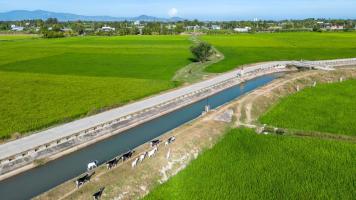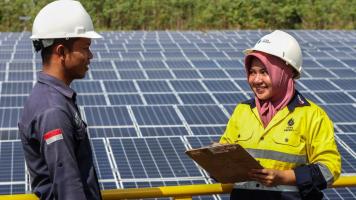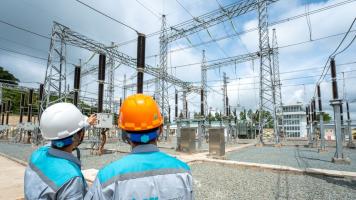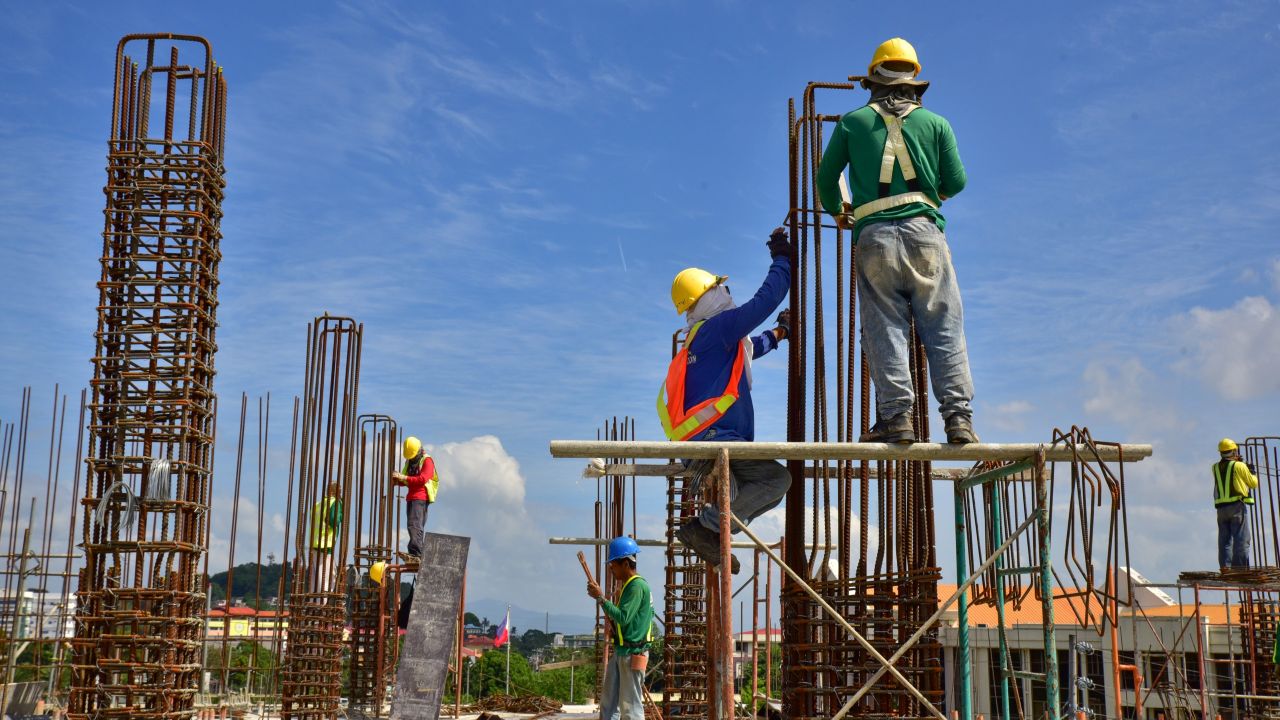
Countries need to manage risks, maintain macroeconomic stability, and protect vulnerable populations. Photo credit: ADB
ADB steps up support to help region cope with disruptions and ensure long-term resilience.
UPDATED, 30 April 2026
Growth prospects in developing Southeast Asia remain strong, backed by robust domestic demand. However, a prolonged conflict in the Middle East clouds the outlook, intensifying downside risks. Most of the countries in Southeast Asia rely heavily on oil and gas imports, making them vulnerable to surging fuel prices and supply disruptions.
In a special update, ADB has revised its outlook for Asia and the Pacific, including Southeast Asia, as disruptions from the conflict in the Middle East last longer than anticipated. Developing Southeast Asia is still forecast to grow in 2026 but at a slower 4.2% compared with 4.7% under the early stabilization scenario. In 2027, it is seen to expand by 4.1%, lower than the earlier forecast of 4.8%.
The outlook covers 10 economies: Brunei Darussalam, Cambodia, Indonesia, the Lao People’s Democratic Republic, Malaysia, Myanmar, the Philippines, Thailand, Timor-Leste, and Viet Nam.
Sustained disruptions to shipping lanes and aviation corridors in the Middle East, which are increasing costs and delivery times, are expected to raise consumer prices further. Inflation estimates for developing Southeast Asia are now higher at 4.5% in 2026 and 3.6% in 2027, compared with the previous projections of 3.2% and 2.8%.
ADB analysis indicates that supply risks extend beyond energy to key industrial inputs, such as petrochemicals and fertilizers, with serious implications for agriculture and food production.
Tailored financial support
In response to this crisis, ADB announced that it is ready to deploy timely financial and technical support to help developing member countries in Asia and the Pacific to manage risks, maintain macroeconomic stability, and protect vulnerable populations. Using its Countercyclical Support Facility, ADB can provide fast-disbursing budget support for countries facing heightened fiscal pressures. In addition, ADB’s Trade and Supply Chain Finance Program (TSCFP) can support the private sector to ensure critical imports, including energy and food, continue to flow. The bank has decided to reactivate support for oil imports under the program on an exceptional basis for this limited period.
To support resilience over the long term, ADB has launched two initiatives in Southeast Asia. The first is a multi-partner fund to support the ASEAN Power Grid, which is critical to regional energy security. The Regional Connectivity Fund for Energy in Southeast Asia will finance critical project preparation work for cross-border energy and transmission infrastructure needed to achieve the regional bloc’s goal of fully integrated electricity grid operations by 2045.
Second, ADB also plans to mobilize up to $6 billion by 2030 and provide institutional support to capital market regulators in Southeast Asia to accelerate the development of the region’s capital markets and strengthen its long-term financial resilience against external shocks.
A coordinated regional response
The conflict in the Middle East is increasing uncertainty and tightening financial conditions across the region, putting pressure on currencies and capital flows.
At a video conference on 10 April, ASEAN finance ministers and central bank governors expressed concerns on the implications of heightened uncertainty from tensions in the Middle East, rising geopolitical risks, shifting trade policies, and market disruptions. “To mitigate the impact of global and regional developments, including the situation in the Middle East, we reaffirmed our commitment to deepening regional financial integration, strengthening regional financial cooperation, and stand ready to take appropriate actions to safeguard macroeconomic and financial stability and reinforce ASEAN’s economic resilience,” they said in a joint statement.
Capital markets are essential for mobilizing the private finance that countries need for infrastructure in various sectors like energy, transport, healthcare, and education. ADB’s support package will include policy-based financing to help countries strengthen the enabling environment for domestic capital market development and deepen integration across the region. ADB will provide support to strengthen regulatory frameworks, enhance market infrastructure, and help to create the conditions for companies and governments to issue more sustainable finance instruments.
Mobilizing investments
ADB will also help countries translate policies into transactions by investing in securities issued by companies across the region and expand its support to help issuers—including governments and private companies in ASEAN—structure and issue more bonds for sustainable investments. The funds raised through these instruments will support projects in renewable energy, energy efficiency, sustainable transport, and affordable housing, among other infrastructure that supports more inclusive and resilient communities.
By helping to stimulate greater bond issuance across the region, ADB’s $6 billion initiative is expected to help unlock up to $30 billion in increased investments in the region’s capital markets by 2030.
Under the initiative, ADB will continue working closely with the ASEAN Capital Markets Forum (ACMF)—a high-level grouping of capital market regulators from all 11 ASEAN jurisdictions. ADB will support the forum by hosting an ACMF office at the bank’s headquarters in Manila.