Article
4 August 2021
4 August 2021
5 Key Initiatives to Safely Reopen Borders in ASEAN
High on the agenda are the drafting of a travel corridor arrangement framework, digital tools for seamless travel, and common guidelines on hygiene and safety.
Article
29 July 2021
29 July 2021
Satellite Internet Offers a Quick Solution to Bridge Connectivity Gap in Mindanao
Pilot project shows installation takes just half a day or a day at the most.
Article
29 July 2021
29 July 2021
What ASEAN Needs to Do to Create More Green Jobs
Countries urged to come up with a common definition, assess health and safety hotspots, and replicate mechanisms to foster coordination, among others.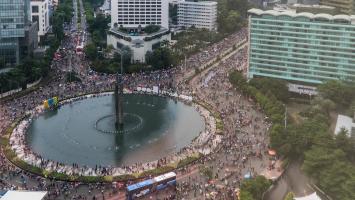
Article
30 June 2021
30 June 2021
How Land Value Capture Can Help Finance Cities
Value capture financing taps into increases in property values, among other benefits, resulting from infrastructure investments.
Article
18 June 2021
18 June 2021
A 4IR-Ready Workforce May Be the Key to Faster Business Recovery
Research in Southeast Asia shows large potential returns to businesses arising from productivity increases, creating 169 million jobs by 2030.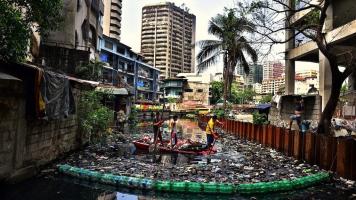
Article
14 June 2021
14 June 2021
Southeast Asia Takes Action against Plastic Pollution
ASEAN has adopted a regional action plan to reduce marine plastic debris.
Article
1 June 2021
1 June 2021
Southeast Asia Prepares Shift to Digital Payments
Countries are upgrading payment systems and updating regulatory frameworks to promote financial innovation and improve security.
Article
6 May 2021
6 May 2021
Hunting for a Unicorn Startup in BIMP-EAGA
Helping startups flourish requires not just a host of measures but a change in mindset.
Article
31 March 2021
31 March 2021
What Is the Green Recovery Program in Southeast Asia?
ASEAN plans to build back cleaner after COVID-19 by investing in sustainable transport, clean energy, and low-carbon agriculture.
Article
15 March 2021
15 March 2021