

News
26 September 2022
26 September 2022
Southeast Asia Economy Rebounds Despite Headwinds
Robust domestic demand in Indonesia and the Philippines contribute to an improved outlook for this year, according to the Asian Development Bank.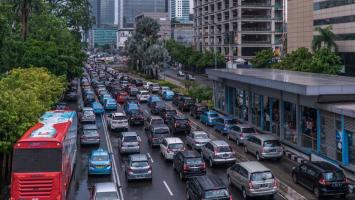
News
8 September 2022
8 September 2022
Asian Cities to Build Climate-Resilient Infrastructure with ADB Support
Collaborations with Makassar in Indonesia, Penang in Malaysia, Tbilisi in Georgia, and Ulaanbaatar in Mongolia are underway.
Article
16 August 2022
16 August 2022
ASEAN Gears Up for a Shift to Electric Vehicles
Accelerating EV adoption is expected to help decarbonize the transport sector as well as attract investments.
News
3 August 2022
3 August 2022
ADB Sees Brighter Outlook for Southeast Asia
Indonesia and the Philippines are expected to grow faster this year amid increased domestic demand as COVID-19 restrictions are relaxed and borders reopen.
Article
1 August 2022
1 August 2022
4 Mistakes MSMEs Made During COVID-19
A study of Southeast Asian businesses shows what not to do during a crisis.
Article
13 July 2022
13 July 2022
How Nature-Friendly Solutions Can Help Curb Floods in Mindanao
An ecosystem-based approach provides a low-cost way of avoiding more than $60 million in damages annually due to floods, says an ADB study.
Article
10 June 2022
10 June 2022
How Big Data Can Open $100 Billion in Opportunities in Southeast Asia
Big data applications can enhance the delivery of education, health, and social welfare services and speed up recovery from the pandemic.
News
6 June 2022
6 June 2022
ASEAN to Develop One System for Verifying Vaccinated Travelers
Health ministers agree to work toward mutual recognition of COVID-19 vaccination certificates in the region.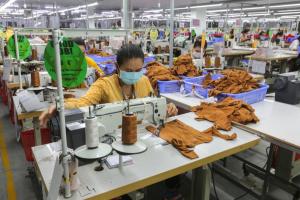
News
23 May 2022
23 May 2022
Targeted Support for Growth Sectors Can Boost Post-Pandemic Recovery
More than 2 years into the pandemic, economic recovery is beginning to gain momentum in the ASEAN+3 region.
Article
20 May 2022
20 May 2022