
News
8 February 2024
8 February 2024
Korean-Backed BIMP-EAGA Fund Opens Fourth Grant Cycle
Grants ranging from $100,000 to $500,000 in store for eligible projects that support bolstering connectivity, environment, tourism, or agriculture in BIMP-EAGA.
Article
25 January 2024
25 January 2024
Transforming Davao Region into a Southeast Asian Logistics Hub
The region is strategically located as a gateway to the People’s Republic of China, Japan, and ASEAN markets, including the BIMP-EAGA subregion.
Article
23 January 2024
23 January 2024
ASEAN Tourism and Transport Ministers Support Sustainable Travel
Initiatives include shifting to sustainable aviation fuel and more environment-friendly transportation modes, such as electric vehicles.
Article
17 January 2024
17 January 2024
Malaysia’s Energy Transition Plan Spells Business Opportunities in Sabah and Sarawak
The country's shift to net zero is seen to propel high-impact industries, including MSMEs, as well as attract investments and generate job opportunities.
Article
8 January 2024
8 January 2024
Reducing Flood and Climate Risks in Mindanao River Basins
The project takes into account future climate change impacts and incorporates nature-based solutions.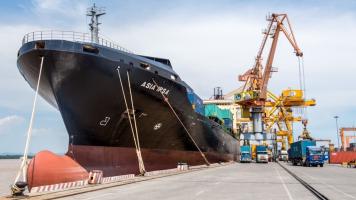
News
3 January 2024
3 January 2024
Southeast Asia’s Growth Slows on Weak External Demand
Low demand for manufacturing exports affected particularly the more open, bigger, and trade-oriented economies.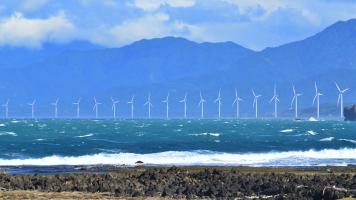
Article
2 January 2024
2 January 2024
Southeast Asia Is Building Back Bluer
Southeast Asian countries lay the groundwork for the sustainable use of ocean and coastal resources in the region.
Article
22 December 2023
22 December 2023
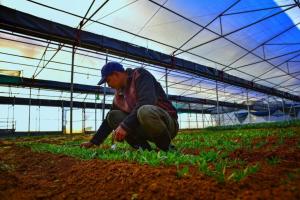
Why the Philippines Is Promoting Agriculture Clustering to Boost Farmers’ Income
With farmers and fishers organized as a cluster, like a cooperative, they are expected to have greater access to financing, resources, technologies, and markets.
Article
20 December 2023
20 December 2023
Indonesia, Malaysia Seek to Become Regional Carbon Storage Hubs
Sharing storage infrastructure is expected to make CCUS projects economically and technically feasible in the region.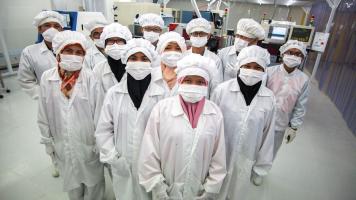
Article
24 November 2023
24 November 2023